What are JDM cars?
Japanese Domestic Market cars contain a lot of cult classics, from the Nissan Skyline, to the Toyota Supra, to the Honda Civic EK/EJ/EG/etc. These cars gained alot of popularity in the 90s-early 2000s because of their ability to be tuned. Their engines are usually small, but extremely durable, and overbuilt for what they were originally meant for, which means they can easily accept modifications like turbochargers, intakes, new exhausts, and so on without having to be modified or improved to handle the extra power. Additionally, they were inexpensive, and could make power similar to supercars for a fraction of the cost. JDM cars are of course well known for their role as drift cars, but now many JDM cars live on as qnuarter-mile queens, show cars, street cars, and the most easily tunable cars on the market.
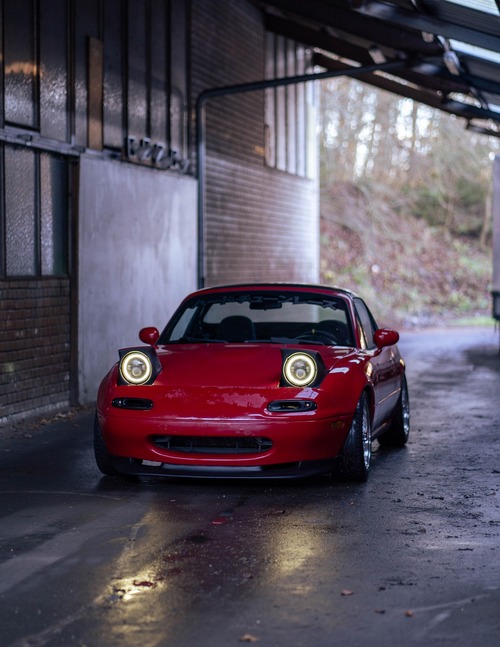
You may notice that when researching JDM cars, they typically only make around 276 horsepower. This was due to a volunatry gentleman's agreement between many Japanese automanufacturers to prevent what was called a "horsepower war." Illegal racing was very popular in the 1980s and into the early 2000s, and groups were looking to make faster and faster cars to race and outrun the police. Japanese automanufacturers wanted to prevent the races to curb the increasing fatal accidents in Japan, so they decided to limit their continuing models to just 276 horsepower. This did not stop the extreme modifications, where these cars would be pushed in excess of 500 horsepower on stock motors with minimal engine reinforcment. Now some of these cars are making in excess of 2000 horsepower with heavily modified and reinforced motors, transmissions, and frames. Note that these extremely over-powered cars are built privately, not by the companies themselves.